

Goethe B1 Online Zertifikat Kaufen
Add a review FollowOverview
-
Founded Date July 27, 1947
-
Sectors Restaurant
-
Posted Jobs 0
-
Viewed 12
Company Description
The 10 Most Terrifying Things About Authentic B1 Goethe Exam
Understanding the Authentic B1 Goethe Exam: A Comprehensive Guide
As the world ends up being more interconnected, the demand for language proficiency grows significantly. The Goethe-Institut offers various assessments to examine and certify German language efficiency, with the B1 Goethe Exam being among the most popular tests for non-native speakers. This article offers a thorough look at the Authentic B1 Goethe Exam, its structure, preparation techniques, and answers to often asked questions.
Summary of the B1 Goethe Exam
The B1 Goethe Exam examines the language abilities of individuals at the intermediate level according to the Common European Framework of Reference for Languages (CEFR). Achieving a B1 certificate shows that the candidate is capable of utilizing the German language in daily circumstances, understands the primary points of standard input, and can produce basic, linked text on familiar subjects.
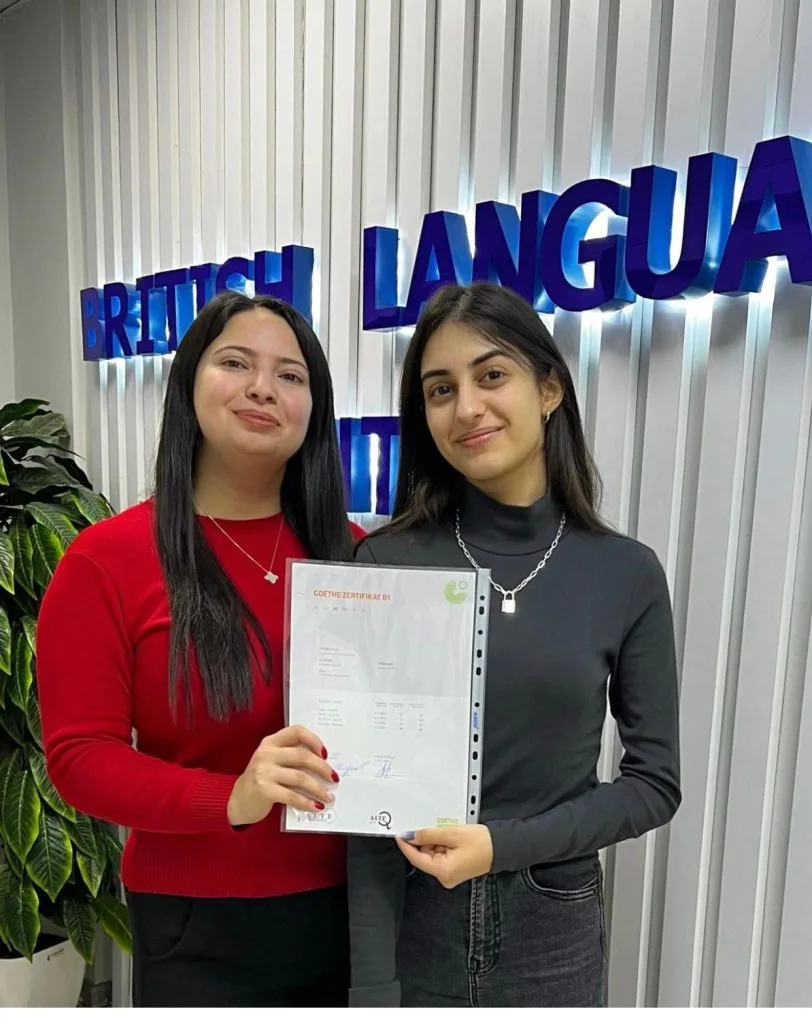
Key Features of the B1 Goethe Exam
- Level: Intermediate (B1)
- Duration: Approximately 3 hours
- Sections: Listening, Reading, Writing, and Speaking
- Function: To license the ability to communicate in German at an intermediate level
| Section | Duration | Description |
|---|---|---|
| Listening | 30 minutes | Prospects listen to audio recordings and answer questions based on them. |
| Checking out | 60 minutes | Includes reading comprehension jobs that consist of various text types. |
| Composing | Thirty minutes | Candidates compose brief texts, such as letters or descriptions. |
| Speaking | 15 minutes | Involves an in person interview with an inspector, including a discussion and discussion. |
Exam Format and Structure
The B1 Goethe Exam makes up 4 sections: Listening, Reading, Writing, and Speaking. Each area is created to test specific language abilities, incorporating various concern types and formats.
1. Listening Section
In this area, candidates listen to audio samples such as discussions, news reports, or statements. They are required to respond to comprehension questions based on these audio clips.
2. Checking out Section
Prospects checked out a number of texts, including ads, posts, and instructions. The concerns focus on understanding, vocabulary, and the ability to presume significance from context.
3. Writing Section
For the composing job, prospects should complete a short composed project, such as an individual letter, an e-mail, or a report. The focus is on clarity, coherence, and proper usage of grammar and vocabulary.
4. Speaking Section
This area is carried out separately with an examiner. Prospects might be asked to introduce themselves, present a topic, and participate in a discussion. The objective is to examine their ability to interact efficiently and engage in German.
Preparation Strategies
-
Familiarize with the Exam Format: Understanding the structure of the exam assists candidates manage their time successfully and lowers stress and anxiety on the test day.
-
Practice Regularly: Regular practice in all 4 locations (listening, reading, composing, speaking) is necessary. Utilize previous exam papers, sample questions, and language courses.
-
Engage with Authentic Materials: Read German papers, listen to German podcasts, and see German films to boost vocabulary and comprehension skills.
-
Join Language Groups: Participating in language exchange meetups or groups can improve conversational skills and provide valuable speaking practice.
-
Take Mock Exams: Simulating exam conditions can assist candidates end up being familiar with the test’s time restrictions and question types.
Practical Resources for Preparation
- Goethe-Institut’s Official Website: Offers sample examinations, tips, and resources tailored for the B1 test.
- Language Learning Apps: Applications like Duolingo, Babbel, or Rosetta Stone focus on various language abilities.
- Online Tutors: Websites that provide tutoring can provide individualized guidance and strategies.
Frequently asked question about the Authentic B1 Goethe Exam
1. Who should take the B1 Goethe Exam?The B1 exam is ideal for those who have an intermediate knowledge of German and dream to acquire a certification for academic or expert functions.
2. How is the exam graded?Each section is rubbed out of an overall of 100 points. A minimum of 60 points is normally required to pass.
3. The length of time is the certificate legitimate?The B1 certificate does not end, however individuals might wish to retake it for a more existing representation of their language skills, especially if they continue learning.
4. Can I take the exam online?Presently, the exam is primarily used in physical locations, though some elements might be readily available online depending upon the Goethe-Institut’s offerings.
5. What should I bring on exam day?Candidates need to bring a legitimate picture ID (like a passport or national ID) and any particular materials requested by the inspector (like pens or paper).
The Authentic B1 Goethe Exam represents a considerable milestone for learners of German as a foreign language. It not just tests efficiency but likewise opens doors to educational and career chances in German-speaking countries. With careful preparation and commitment to practice, candidates can approach the exam with self-confidence and accomplish their language objectives. Whether for individual development, travel, or expert improvement, mastering German at the B1 level is a good achievement and an excellent action towards fluency.